Paediatric Optometry Course in Kerala

1 Year | PG Diploma | Relevant Qualification | Perinthalmanna, Kerala

.

Paediatric Optometry at Al Salama Education is a 1-year postgraduate diploma programme focused on eye care for children, including the assessment and management of childhood vision problems. The programme is listed by Al Salama Education under its PG Diploma programmes and is offered in Perinthalmanna, Malappuram, Kerala.

If you are considering Paediatric Optometry as a career specialisation, it is important to understand the entry requirements before applying. Al Salama Education currently lists the eligibility as “Relevant Qualification”; applicants should confirm the exact qualifying degree or professional background with the admissions team before submitting an application.

Course Information

Course detailCurrent information
Course namePaediatric Optometry
Programme typePG Diploma Programme
Duration1 year
FocusChildren’s eye care and vision
EligibilityRelevant qualification — confirm the exact entry qualification with admissions
LocationPerinthalmanna, Malappuram, Kerala
Mode of studyContact admissions for current details
Clinical/practical componentClinical exposure included; contact admissions for current training details
Awarding/affiliating bodyContact admissions for current programme details
Current intakeContact admissions for upcoming intake details
Fees
Contact admissions for the current fee structure

Check Eligibility Before Applying

Al Salama Education currently lists “Relevant Qualification” as the eligibility requirement for the Paediatric Optometry programme. The course page does not state that Plus Two alone is sufficient for admission. Students who have completed Higher Secondary education should contact the admissions team to confirm whether they meet the eligibility requirements or need a prior optometry or related healthcare qualification.

What Is Paediatric Optometry?

Paediatric Optometry is an area of optometry concerned with vision and eye-care needs during childhood.

Children's visual systems develop throughout the early years, and assessing vision in children can require approaches that differ from routine adult eye examinations. A child may not always be able to describe blurred vision, double vision, visual discomfort or difficulty using both eyes together in the same way an adult can.

Paediatric eye-care practice can therefore involve assessing visual development, refractive status, binocular vision and other aspects of functional vision, while recognising when a child needs referral to an ophthalmologist or another healthcare professional.

For students, the field combines optometric knowledge with child-centred clinical communication. It requires an understanding of how visual problems may present at different stages of childhood and how examinations and communication need to be adapted to the age and abilities of the child.

The aim is not simply to identify whether a child can see clearly. A comprehensive approach to children's vision may consider how the two eyes work together, whether refractive errors are present, and whether further investigation or referral is appropriate.

Who Is This Course For?

The programme is intended for students or healthcare professionals who meet the programme's required entry qualification and want to develop specialised knowledge in children's eye and vision care.

It may be particularly relevant to learners interested in:

  • Optometry and vision science

  • Children’s eye care

  • Clinical assessment

  • Visual development

  • Binocular vision

  • Patient communication

  • Healthcare and allied health sciences

  • Developing a specialised area within optometric practice

The exact academic eligibility for the Al Salama programme should be confirmed with admissions.

Academic Eligibility

Al Salama Education currently lists the eligibility for Paediatric Optometry as “Relevant Qualification.” The public course page does not specify the exact qualification, subject requirements, minimum marks or professional registration requirements.

Applicants should therefore confirm:

  1. The minimum academic qualification required

  2. Whether a prior optometry qualification is required

  3. Whether another allied-health qualification is accepted

  4. Whether minimum marks apply

  5. Whether any professional registration is required

  6. Which documents must be submitted

Can I Study Paediatric Optometry After Plus Two?

Do not assume that you can enter this programme directly after Plus Two.

Al Salama Education currently categorises Paediatric Optometry as a PG Diploma Programme and lists the eligibility simply as “Relevant Qualification.” The public course page does not state that Plus Two alone is sufficient for admission.

For a student who has just completed Plus Two, the appropriate next step is to ask admissions whether the programme accepts their qualification.

If a prior optometry or healthcare qualification is required, the pathway may look like:

Plus Two → relevant undergraduate/healthcare qualification → eligibility confirmation → Paediatric Optometry specialisation

This pathway should be confirmed with Al Salama Education before it is presented as the institution's official admission route.

If your goal is to enter optometry directly after Plus Two, Al Salama separately offers undergraduate B.Sc Optometry programmes for eligible Plus Two Science students.

Paediatric Optometry Course Duration

The Paediatric Optometry programme is currently listed as a 1-year PG Diploma Programme.

The public course page does not currently provide a detailed academic calendar showing semesters, assessments, internship duration or the number of clinical hours.

Before enrolling, applicants should ask admissions for the current programme structure, including:

  • Classroom teaching

  • Practical sessions

  • Clinical exposure

  • Assessments

  • Internship or clinical postings, if applicable

  • Programme completion requirements

What Will You Learn in Paediatric Optometry?

Al Salama's current Paediatric Optometry page identifies four curriculum areas:

  • Pediatric Eye Conditions

  • Vision Development

  • Diagnostic Techniques

  • Treatment Methods

Pediatric Eye Conditions

Students can expect the field of paediatric optometry to address vision and eye conditions that affect children. Understanding the presentation of childhood visual problems is important when deciding whether an optometric assessment is appropriate and when referral is needed.

Vision Development

Visual development is an important part of children's eye care. Students need to understand how visual function develops and why abnormalities detected during childhood may require timely assessment.

Diagnostic Techniques

Paediatric vision assessment requires appropriate examination techniques and communication strategies. The current Al Salama course page specifically identifies diagnostic techniques as part of its curriculum.

The exact diagnostic equipment, procedures and competencies covered by the programme should be confirmed against the current academic syllabus.

Treatment Methods

The course page also identifies treatment methods as a curriculum area.

Because treatment and management responsibilities depend on professional qualification and scope of practice, students should understand exactly which clinical competencies the programme is designed to develop.

Topics Commonly Associated With Paediatric Optometry

More broadly, paediatric optometry may involve areas such as:

  • Refractive errors in children

  • Binocular vision

  • Amblyopia

  • Strabismus

  • Myopia management

  • Vision screening

  • Visual development

  • Child-friendly examination techniques

  • Low vision in children

  • Referral and interdisciplinary care

Practical and Clinical Training

The current Al Salama course page lists clinical exposure and child-focused patient care among the programme highlights.

Al Salama Education also describes its wider healthcare education model as incorporating practical and hospital-based clinical training.

  • Number of clinical hours

  • Clinical posting schedule

  • Exact training location

  • Patient volume

  • Specific equipment

  • Faculty-to-student clinical supervision

  • Internship duration

Career Options After Paediatric Optometry

Paediatric Optometry can provide specialised knowledge relevant to children's vision and eye care. Potential professional environments may include:

  • Eye hospitals

  • Optometry clinics

  • Children’s vision services

  • Vision screening programmes

  • Multidisciplinary eye-care settings

  • Vision rehabilitation services

  • Optical and vision-care organisations

The exact job title available to a graduate depends on the underlying professional qualification, the Paediatric Optometry credential, employer requirements and applicable professional regulations.

Al Salama Education's wider placement information identifies eye-care and optometry clinics, diagnostic and imaging centres, optical retail chains, medical-device companies, and rehabilitation/vision-therapy centres among healthcare career environments associated with its programmes.

Employment is not guaranteed by completion of the Paediatric Optometry programme.

Career Pathway

The appropriate pathway depends on the student's existing qualification.

If You Already Have a Relevant Qualification

Relevant qualification → eligibility verification → Paediatric Optometry PG Diploma → further clinical/professional experience → relevant eye-care opportunities

If You Have Just Completed Plus Two

Students who have completed Plus Two should confirm their eligibility with admissions before applying.

Plus Two → relevant undergraduate qualification → eligibility for Paediatric Optometry → Paediatric Optometry specialisation → professional experience

Students should confirm the exact route with Al Salama admissions before choosing their initial qualification.

Why Study Paediatric Optometry?

Students may choose Paediatric Optometry when they want to develop a more focused understanding of children's vision and eye care.

Potential educational benefits include:

  • Developing specialised knowledge in paediatric vision

  • Understanding visual development

  • Building knowledge of childhood eye and vision problems

  • Strengthening clinical assessment skills

  • Learning child-focused communication approaches

  • Developing knowledge relevant to referral and multidisciplinary care

  • Adding a specialised area to an existing optometry or healthcare background

The programme is best considered in the context of the student's existing qualification and long-term professional goals.

Why Al Salama Education?

Al Salama Education is a healthcare education provider in Kerala offering optometry and allied-health programmes. Its published institutional information describes a learning model that combines academic instruction, practical training, clinical exposure and career support.

For Paediatric Optometry specifically, the current course page identifies:

  • Child-focused eye-care training

  • Early diagnosis techniques

  • Clinical exposure

  • Child-focused patient care

  • A curriculum covering paediatric eye conditions, vision development, diagnostic techniques and treatment methods

Applicants should evaluate the programme using the information that matters to their own decision: eligibility, qualification awarded, curriculum, clinical training, recognition or affiliation, fees and progression opportunities.

Course Fees

The current Paediatric Optometry course page does not publish a fee amount.

Fees can vary by intake and admission conditions. Contact the Al Salama Education admissions team for the current fee structure.

When enquiring, ask for:

  • Current tuition fee

  • Admission or registration charges

  • Examination charges, if applicable

  • Clinical or practical charges, if applicable

  • Payment schedule

  • Refund/cancellation policy

  • Any available financial-support options

Admission Process

Because the published Paediatric Optometry page does not currently provide a dedicated step-by-step admission process, the admission process nay include the following steps:

  1. Check your eligibility with admissions.

  2. Confirm the required prior qualification.

  3. Request the current course brochure or syllabus.

  4. Confirm the current fee structure and intake.

  5. Submit the application and required documents according to the current admission instructions.

  6. Complete eligibility verification or counselling, if required.

  7. Confirm enrolment after receiving the official admission details.

Documents Required

The Paediatric Optometry page does not currently publish a programme-specific document checklist.

Applicants should ask admissions for the current list before preparing their application.

Depending on the student's existing qualification, documents may include educational certificates and identification documents, The required documents may vary. Contact admissions for the current list.

Paediatric Optometry vs General Optometry

General OptometryPaediatric Optometry
Broad optometric educationSpecialised focus on children’s vision
Covers patients across different age groupsPrimarily concerned with children
Builds foundational vision and eye-care competenciesDevelops additional knowledge relevant to paediatric assessment and care
May cover refraction, binocular vision, contact lenses and other areasFocuses on how these and related issues apply in childhood
Provides the broader professional foundationCan provide additional specialisation after an appropriate qualifying background
What is Paediatric Optometry?

Paediatric Optometry is an area of optometry focused on children’s vision and eye care. It involves understanding visual development, assessing vision in children and recognising situations where further investigation or referral may be appropriate. Al Salama Education’s programme focuses on children’s eye care, early diagnosis and management of vision problems.

The current Al Salama course page lists the eligibility as “Relevant Qualification.” It does not specify the exact qualifying degree or subject requirements. Applicants should confirm the required prior qualification directly with admissions before applying.

The current Al Salama course listing categorises Paediatric Optometry as a PG Diploma Programme and lists “Relevant Qualification” as the eligibility requirement. The page does not state that Plus Two alone is sufficient for admission. Students who have completed Plus Two should contact admissions to confirm whether they meet the entry requirements.

The current public course page states “Relevant Qualification.” The exact qualification, minimum marks and other entry conditions are not specified there. Confirm the current eligibility with the admissions team.

The programme is currently listed as a 1-year PG Diploma Programme.

Paediatric Eye Conditions, Vision Development, Diagnostic Techniques and Treatment Methods.


The programme highlights include clinical exposure. The current course page does not specify the number of clinical hours, training locations or posting structure, so applicants should contact admissions for the latest details.

Depending on their underlying qualification, professional scope and employer requirements, Completion of this programme does not itself guarantee employment. graduates may pursue relevant opportunities in eye hospitals, optometry clinics, children’s vision services, vision screening, rehabilitation and other eye-care environments. Completion of this programme does not itself guarantee employment.

It can be a relevant specialisation for someone who already has an appropriate optometry or healthcare background and wants to develop knowledge of children’s vision. The right choice depends on your existing qualification, career objectives, the programme’s recognition and the professional opportunities available to you.

Optometry provides broader education in vision and eye care across patient groups. Paediatric Optometry focuses specifically on children’s vision, visual development and child-centred assessment and care. A paediatric programme should not be treated as a substitute for foundational optometry education.

The current course page does not specify the exact wording of the qualification certificate or the awarding body. Confirm the precise award with admissions before enrolling.

Contact the Al Salama Education admissions team for current eligibility, application instructions, fees and intake information. You can reach admissions at admissions@alsalamaeducation.com or call +91 94477 72702 / +91 81368 87774.

Ready to Check Your Eligibility?

Before applying, confirm the details that determine whether this programme is right for you:

  • Your existing academic qualification

  • Programme eligibility

  • Qualification awarded

  • Current curriculum

  • Clinical-training structure

  • Recognition or affiliation

  • Current fees

  • Next intake

  • Admission documents

Related Courses and Resources

If you are comparing pathways in optometry and allied healthcare, explore:

Contact Al Salama Education

Al Salama Eye Hospital
Building No-IV/37/1
Palakkad Road, Perinthalmanna
679322, Malappuram District
Kerala, India

Admissions: admissions@alsalamaeducation.com
Phone: +91 94477 72702 | +91 81368 87774

For the latest Paediatric Optometry eligibility, fees, intake, curriculum and admission requirements, confirm the details directly with the admissions team before applying.

Student Life at Al Salama

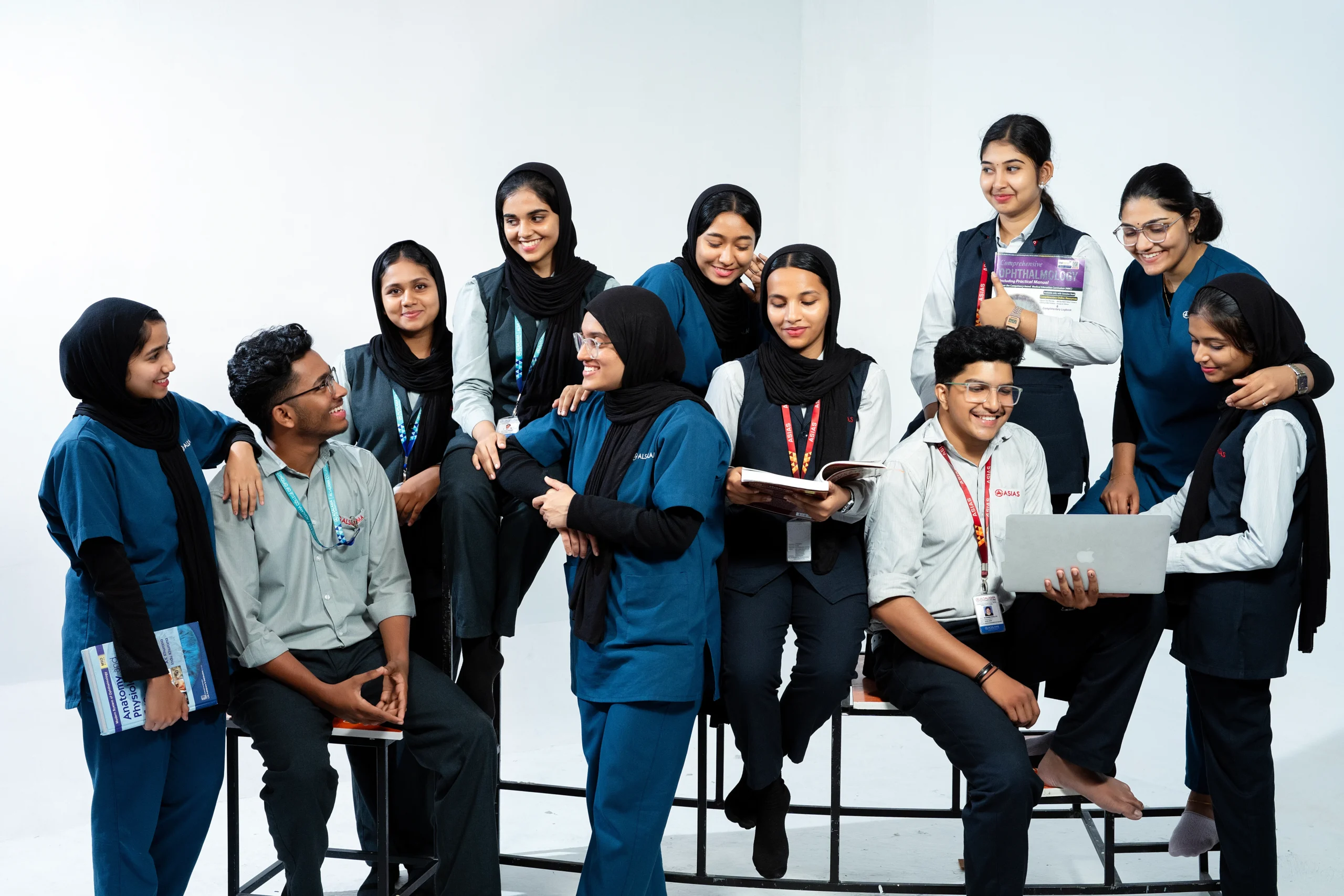
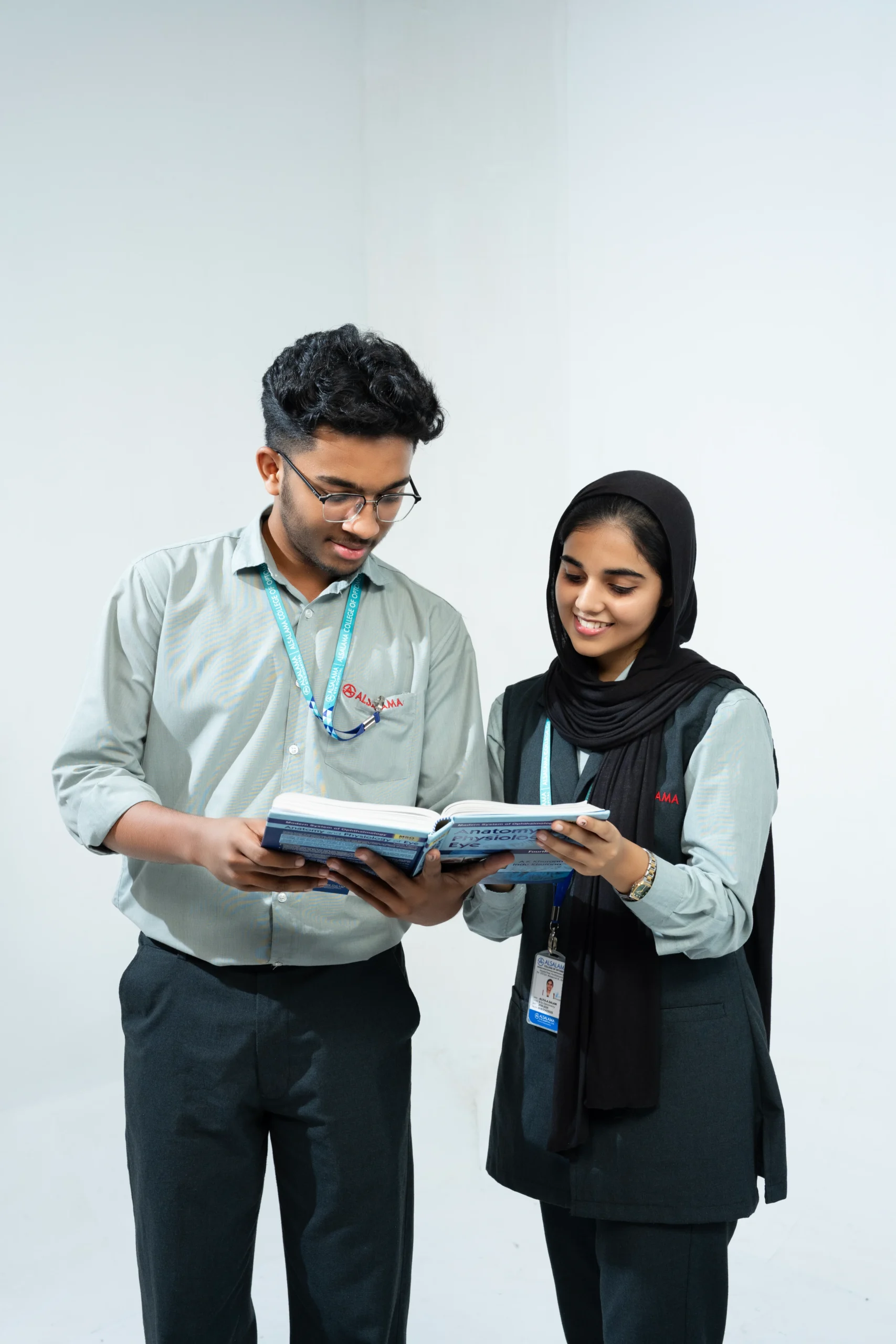
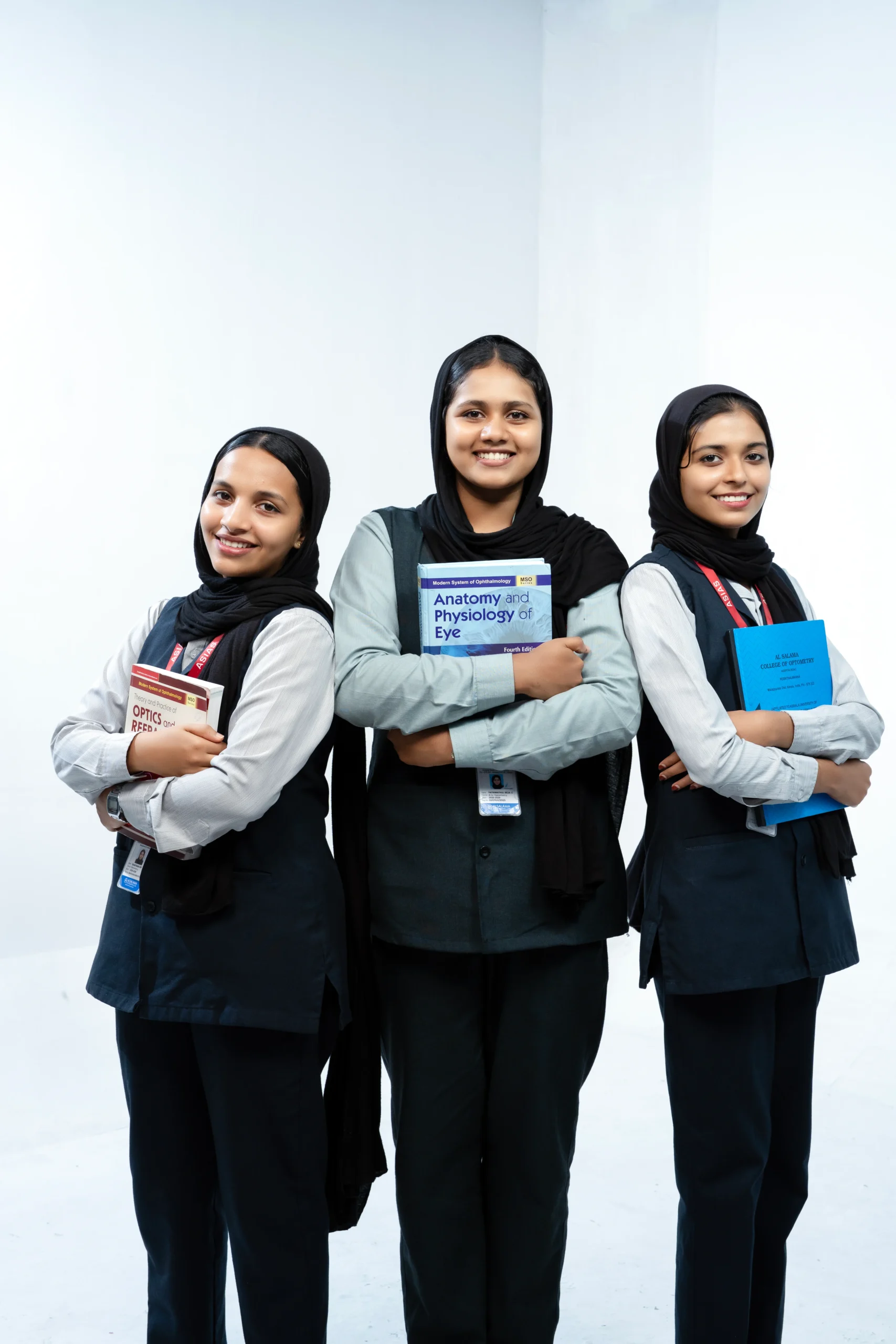
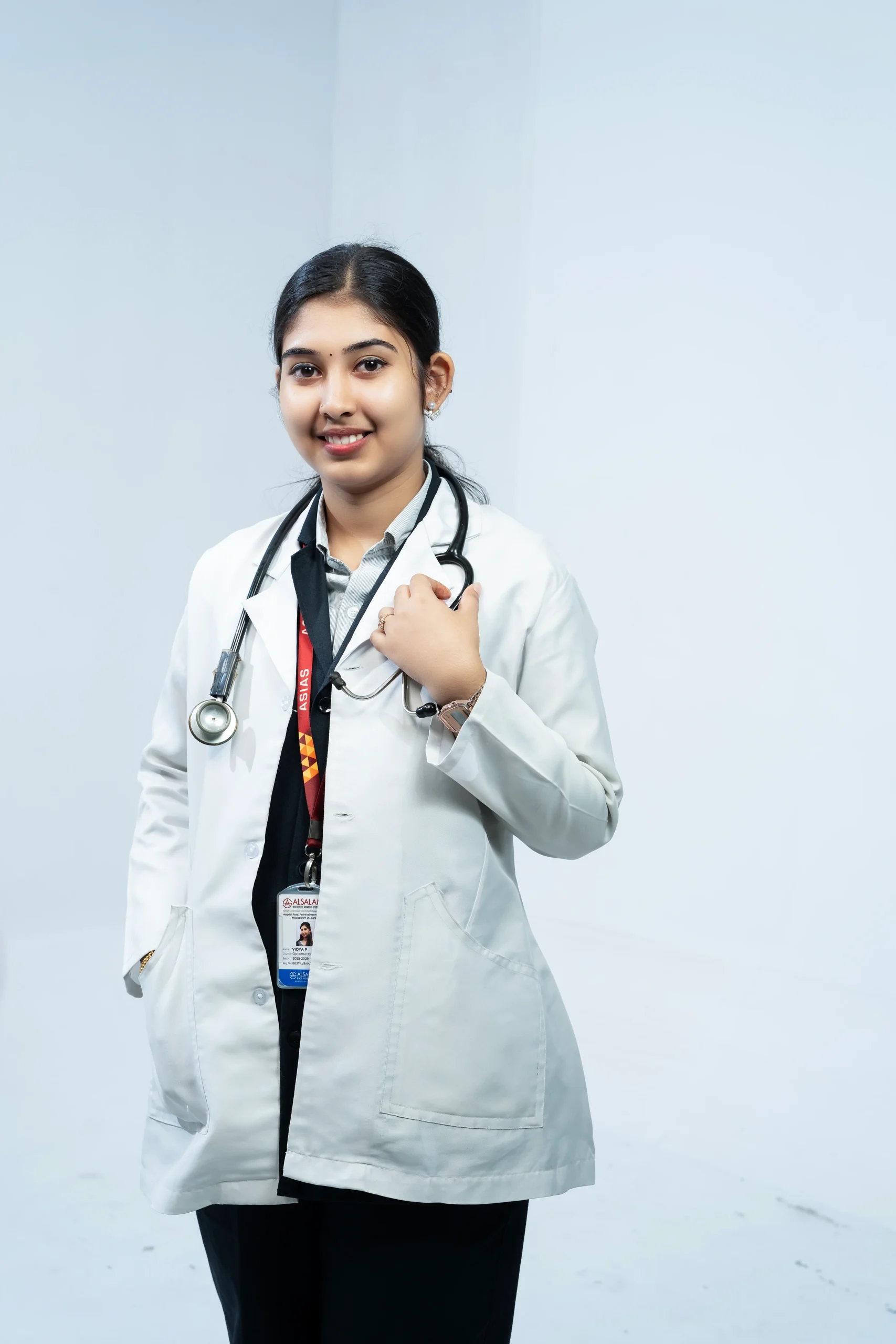
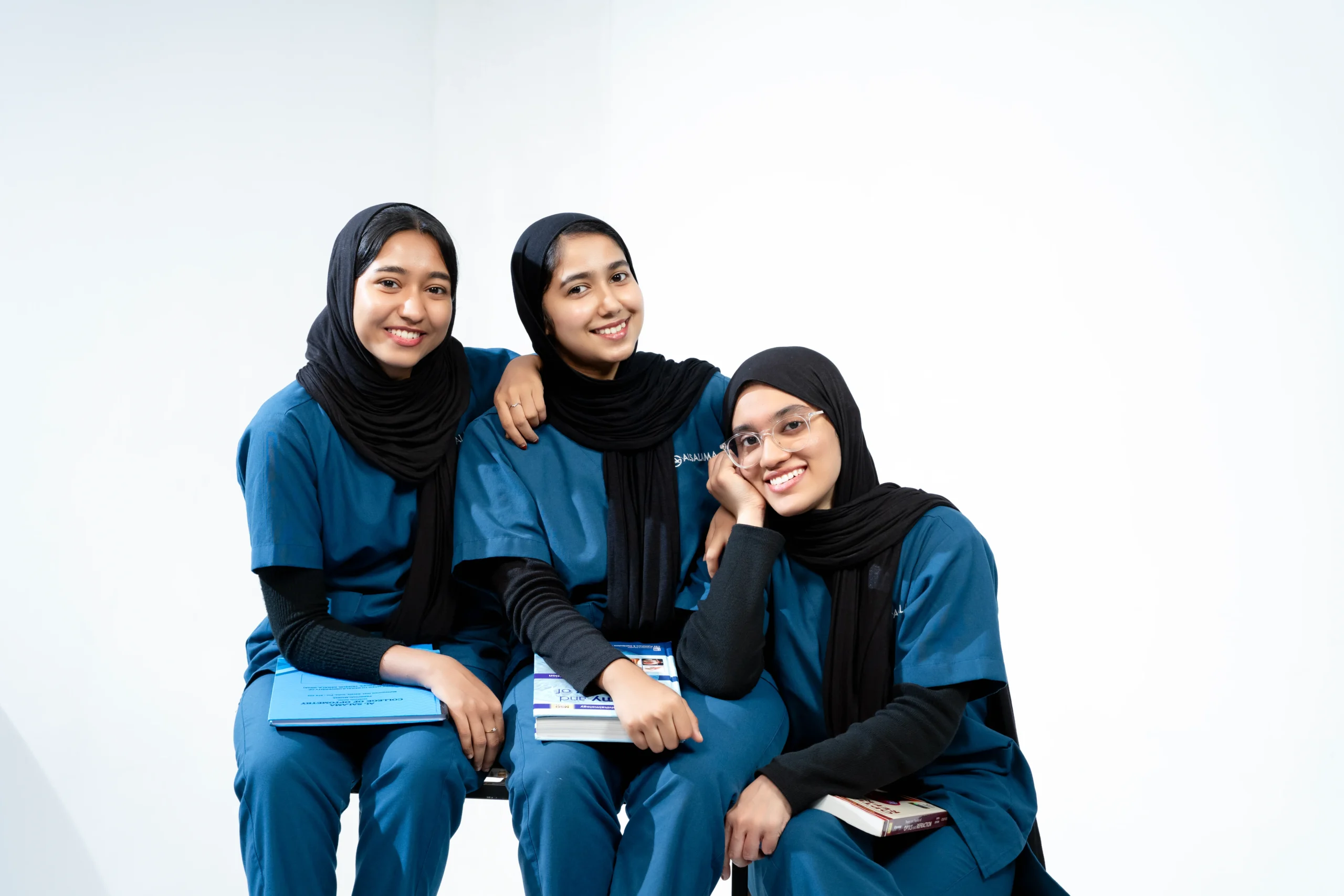
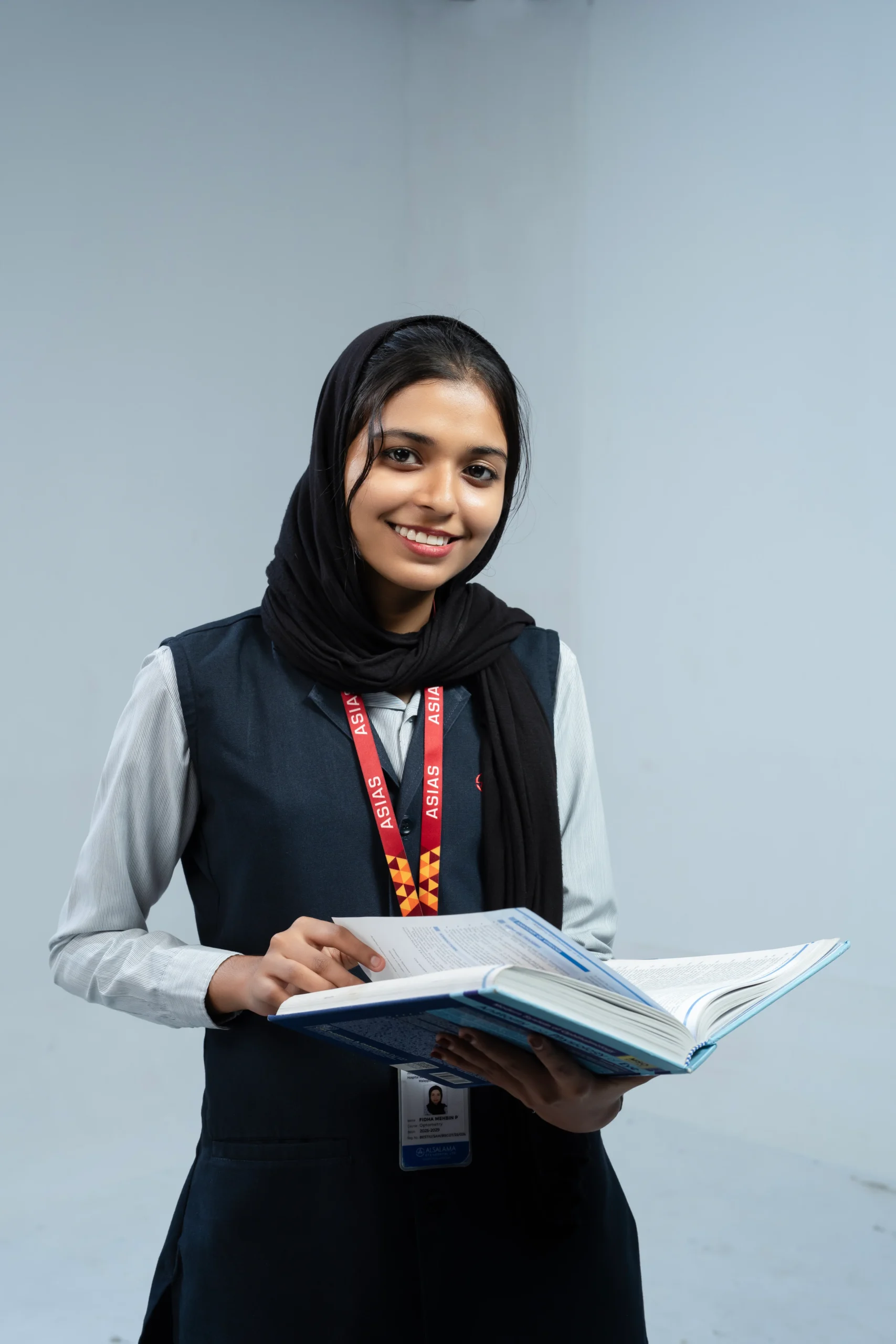
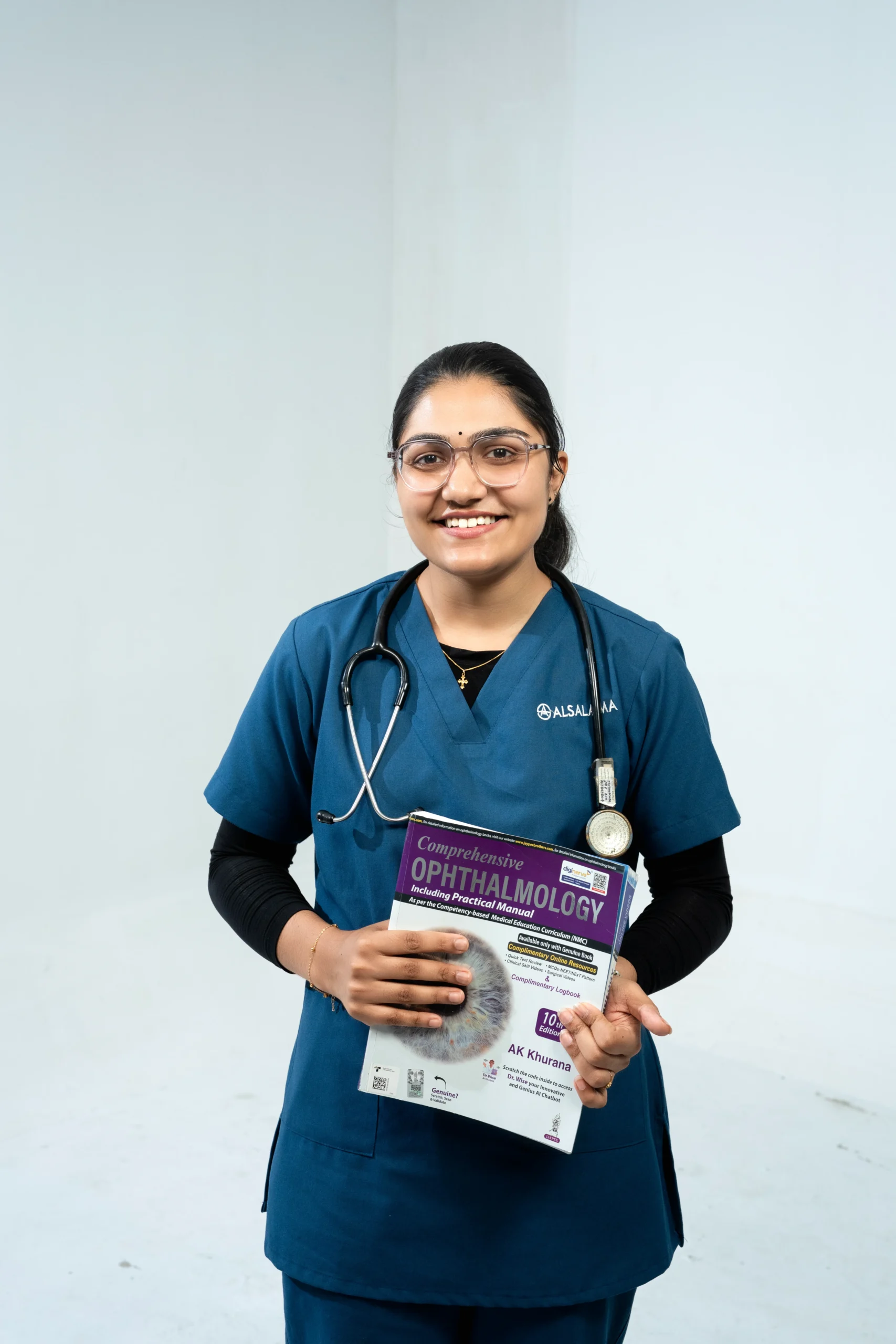
College life should be more than attending classes and preparing for examinations. It is also a time when students meet new people, discover their interests and become more independent. At Al Salama, students get opportunities to take part in academic activities, awareness programmes, clinical camps and other campus activities. Activities connected to eye care can also give students a chance to interact with the community and understand the importance of accessible vision care. Alongside academics, students can take part in campus events, celebrations and activities that make college life more engaging. These experiences help students develop communication, teamwork and confidence—skills that are useful long after graduation.

Photo Gallery

Take a closer look at the learning environment, clinical activities, campus experiences and student life at Al Salama Institute of Advanced Studies.
Testimonials

Listen what our happy & satisfied students say!

Placements

Careers that Match Your Ambition

01

Internship opportunities at leading eye care hospitals

02

Direct clinical experience to enhance job readiness

03

Contact Lens Specialist – fitting & managing lenses

Your next step

Why is Alsalama the Right Fit for you?

At Al Salama Education, you gain more than just a qualification—you build a career with confidence. With direct clinical exposure, advanced learning technologies, and expert mentorship, we ensure you are industry-ready from day one. Our focus on practical skills, innovation, and personalized guidance makes us the ideal choice for aspiring healthcare professionals.